

In the years leading up to 2026, we are seeing several lifestyle trends that will redefine how we work, live and interact with others. These trends are driven by changing values and technological advances, and reflect a shift towards a sustainable, balanced, and connected way of living.
1. Sustainable Living is the New Normal
Sustainability is not a niche topic but an integral part of daily life. By 2026, ecoconsciousness will permeate every aspect of life, from energy efficient homes to zero waste lifestyles. Businesses and consumers are increasingly looking for products that have a low environmental impact and ethical sourcing. As part of an overall commitment to environmental stewardship, urban areas have more green space and use renewable energy.
2. Remote Work and Digital Nomadism: The Rise of Remote Work
The traditional office is increasingly becoming obsolete. Remote work has become the norm for many professionals, offering flexibility and a better work-life balance. The digital nomadism is a growing trend, where people live and work from different locations all over the world. Co-living spaces and co-working areas have been adapted to accommodate this lifestyle of itinerance, creating networks that foster collaboration and community.
3. Health and Wellness Technologies
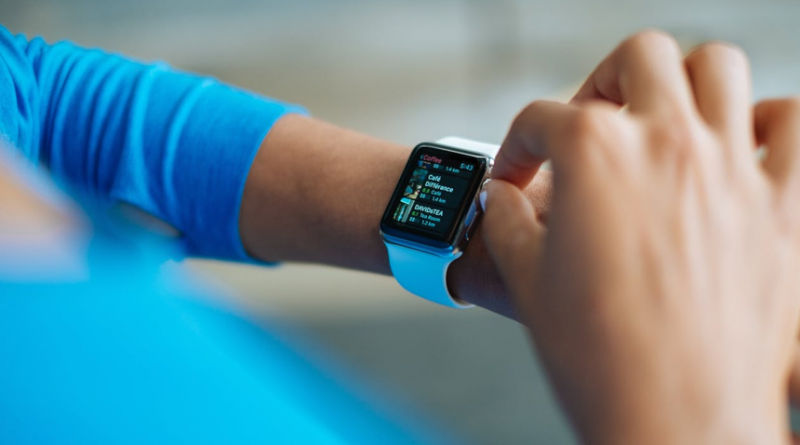
Wellness is becoming more accessible and personalized thanks to new technologies and innovations. Wearable technology monitors health metrics live, providing insights into fitness, nutrition and stress levels. Virtual reality (VR), augmented reality, and other immersive technologies can be used to enhance mental health treatments and fitness routines. Genetic profiling and personalized medicine enable preventive and targeted healthcare strategies.
4. Smart Homes: The Evolution of Smart Homes
In 2026, homes will be more intelligent and connected. This will improve efficiency and convenience. Smart home systems control household functions, manage energy consumption, and enhance security. These systems use user behavior to optimize settings and make homes more comfortable. The Internet of Things (IoT), when integrated, creates a seamless living experience. Devices communicate seamlessly.
5. Minimalism and Digital Detox
Digital detox and minimalism are becoming more popular as technology continues to permeate every aspect of our lives. The need to balance digital interactions with real-world activities is becoming more and more apparent. Mental clarity and emotional wellbeing are improved by disconnecting from digital devices, simplifying the environment, and focusing more on meaningful interactions.
6. Community-Centric living
As people look for deeper social connections and more supportive environments, communal living models are becoming increasingly popular. Co-housing communities and intentional neighborhoods foster collaboration and sharing resources to reduce individual burdens, and improve quality of life. These communities are centered on shared values and collective decision making, as well as sustainable living.
7. Plant-based and lab-grown diets
The shift in diet continues to be towards more sustainable choices. Concerns about animal welfare and environmental impact have led to the mainstreaming of plant-based foods and those grown in labs. These alternatives are more appealing to a wider audience due to technological advances that have improved their taste, texture and affordability. People can make better dietary decisions when they are educated about nutrition and food sources.
8. Enhancing Lifelong Learning and Skills Development
Continuous learning and adaptation are essential in a rapidly changing work market. Online platforms offer diverse courses and resources for skill development. Lifelong learning is now an integral part of the job market. Immersive learning is made possible by virtual and augmented realities, which make education more accessible and engaging. Employers place a high value on adaptability, creativity, and digital literacy. This encourages individuals to continually update their skills.
9. Personal Experience Economy
Personalization has become a priority in the experience economy. Consumers are looking for tailored experiences that reflect their personal preferences and values, whether they’re shopping or traveling. Data analytics and AI are used by companies to predict customer needs and provide customized services. This increases customer satisfaction and loyalty.
10. Mental Health Awareness and Support
With increased awareness and resources, mental health is receiving the attention it deserves. The workplaces are implementing policies to support mental health, reduce stress and prevent burnout. The technology plays a part, with virtual therapy sessions as well as wellness apps that encourage mindfulness and resilience.
Implementing these Trends
To adopt these trends, you must be open to change and willing to embrace innovation. Start with small changes in your daily life. Choose sustainable products, consider remote work, and give mental health priority. Engage in communities that share your values and reinforce positive lifestyle choices.
Final Thoughts
Lifestyle trends in 2026 will reflect a world where sustainability, connection and well-being are valued. These trends are becoming more and more integrated into our daily lives, offering opportunities for growth, harmony, as well as a closer connection with the world. You can thrive in an ever-changing landscape by understanding and accepting these changes. Stay informed, flexible, and proactive and embrace the exciting opportunities these trends will bring to the future.